5 Ways Therapeutic Dolls Can Transform Daily Caregiving for Dementia Patients at Home
By Owen Bao | Sueban Group

Caring for a loved one with dementia at home is one of the most demanding roles a family member can take on. The emotional weight, the unpredictable behavior, the exhaustion of round-the-clock care — it adds up quickly. And yet, many family caregivers are doing it, day after day, with remarkable dedication.
One tool that’s helping more caregivers manage the daily challenges of dementia care is the therapeutic doll. These are not children’s toys. They are lifelike, weighted dolls specifically designed to engage the nurturing instincts that remain intact even in advanced dementia. And for many families, they’ve made a genuine, practical difference.
Here are five specific ways a therapeutic doll can make daily caregiving easier — and what to keep in mind as you introduce one into your home.

1. Calming Agitation During the Hardest Hours
Sundowning — the increase in confusion, restlessness, and agitation that many dementia patients experience in the late afternoon and evening — is one of the most exhausting parts of home caregiving. It often strikes right when caregivers are already tired and when the household is at its busiest.
A therapeutic doll can help interrupt this cycle. The physical sensation of holding something warm and weighted activates a calming response. Research published in the Journal of Clinical Medicine found that doll therapy significantly reduced agitation and restlessness among dementia patients — without additional medication.
Practical tip: Keep the doll visible but not forced. Place it near your loved one’s favorite chair around 3–4 pm so it’s available before sundowning typically begins. Let them reach for it naturally.

2. Creating a Bridge for Conversation
One of the most painful aspects of dementia caregiving is the communication gap. As cognitive function declines, finding topics to talk about becomes harder. Silences grow longer. Connection feels more difficult to maintain.
A therapeutic doll gives both caregiver and loved one something concrete to focus on together. “Isn’t she beautiful?” “What do you think her name should be?” “Does she look like anyone you know?” These simple prompts can spark real conversation — and often unlock memories that nothing else reaches.
For caregivers, this is invaluable. Those moments of genuine connection are what make the hard work feel worthwhile.

3. Making Difficult Routines Easier
Getting a dementia patient to eat, bathe, take medication, or get dressed can require enormous patience and creativity. Resistance to care routines is common — and exhausting for everyone involved.
A therapeutic doll can serve as a helpful distraction during these moments. When a loved one is focused on “taking care of the baby,” they often become more cooperative with their own care. Some caregivers find it effective to say, “Let’s get you cleaned up so you can hold her again,” or “The baby needs us to eat our lunch first.”
This kind of redirection — using the doll as a positive anchor — can turn a tense moment into a calm one. It requires no medication, no restraint, and no confrontation.
4. Reducing Loneliness During Caregiver Breaks
Family caregivers need breaks. That’s not a luxury — it’s a necessity. But stepping away, even briefly, can trigger anxiety and distress in a loved one with dementia. The fear of being alone, the loss of orientation, the need for constant reassurance — these make it hard for caregivers to ever truly rest.
A therapeutic doll can help fill that gap. When a loved one is engaged with the doll — holding it, talking to it, caring for it — they often remain calm and occupied for longer periods. This gives caregivers the breathing room they need to step away for a few minutes, make a phone call, or simply sit quietly in another room.
Caregiver burnout is one of the leading reasons home care arrangements break down. Anything that provides genuine respite — even in small doses — has real value.

5. Restoring a Sense of Purpose and Identity
Dementia steadily strips away roles that once defined a person — parent, professional, homemaker, community member. As those roles disappear, so does a sense of purpose. Many people with dementia experience profound feelings of uselessness and loss, even when they cannot fully articulate them.
A therapeutic doll offers something to care for. Something that “needs” them. For someone whose nurturing instincts are still strong — and research confirms these instincts often remain even in advanced dementia — this can restore a meaningful sense of purpose.
Caregivers often report that their loved ones seem more settled, more confident, and more engaged when they have a doll to look after. The emotional benefit is real, even if the situation is symbolic.
Choosing the Right Therapeutic Doll
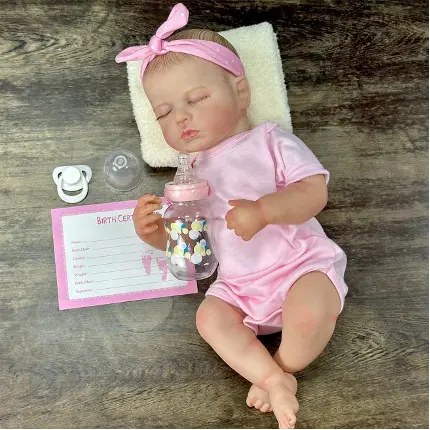
Not every doll is suitable for therapeutic use. When choosing one for a loved one with dementia, look for these key features:
- Soft, realistic material (platinum silicone or soft vinyl) — no chemical smell, safe for prolonged contact
- Appropriate weight (1.5–2.5 lbs) — the weighted feel is key to the calming effect
- Calm facial expression — neutral or gently smiling, not wide-eyed or intense
- No magnets or small parts — especially important for residents with pacemakers
- Safety certified — look for CE, CPC, or ASTM F963 certification to confirm non-toxic materials
- Washable — full vinyl bodies can be wiped clean, essential for home hygiene
For caregivers looking for CE and CPC certified options that meet all of these criteria, you can explore Sueban Group’s therapeutic reborn dolls wholesale catalog.
A Simple Tool With Real Impact
Caregiving for a loved one with dementia at home requires creativity, patience, and a willingness to try approaches that might seem unconventional at first. Therapeutic dolls fall into that category — but the evidence behind them is growing, and the practical benefits are real.
If your loved one is experiencing agitation, withdrawal, or communication difficulties, a therapeutic doll may be worth trying. The cost is low, the risk is minimal, and for many families, the difference it makes is anything but small.
Every caregiver’s situation is different. But when something genuinely helps — when it brings a moment of calm, a spark of connection, or a few minutes of peace — it’s worth knowing about.
Nursing homes, memory care brands, and caregiving product distributors interested in sourcing therapeutic dolls at scale can learn about Sueban Group’s B2B solutions.

About the Author
Owen Bao is a B2B specialist at Sueban Group, a manufacturer of CE and CPC certified therapeutic reborn dolls supplying nursing homes, memory care brands, and caregiving product distributors worldwide. Learn more at www.suebangroup.com | Wholesale inquiries: therapeutic reborn dolls wholesale
More to Read:










Previous Posts:
